
The Trial and Its Unanswered Questions
All the President's MenThis flow tracks the narrow prosecution of the Watergate Seven and the growing suspicion that the trial left the central conspiracy unexplored.
increasing Bearing strength in each event
 decreasing
Bearing strength in each eventdecreasingA Narrow Indictment
A Narrow Indictment
Seven Defendants
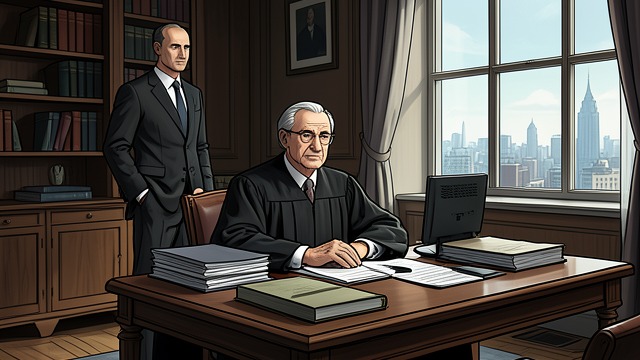
The September indictments charged Hunt, Liddy, and the five men arrested at the Watergate. The charges addressed burglary and illegal interception, but did not establish who had sponsored the operation.
Questions Remain
The Washington Post noted that the purpose and sponsorship of the espionage remained unresolved. The limited indictment created a gap between the visible crime and the larger political questions that reporting had begun to uncover.
The Trial Opens
The Trial Opens
A Low-Level Explanation
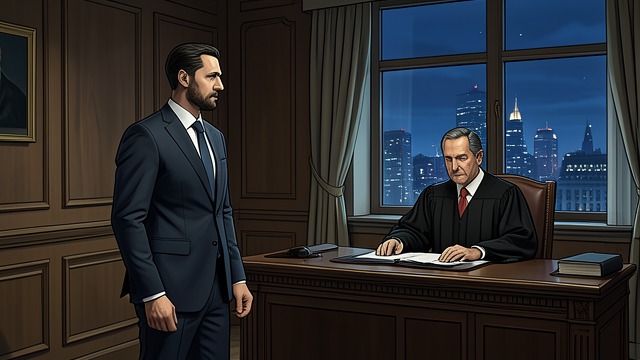
Prosecutor Earl Silbert argued that Gordon Liddy had exceeded authority and independently planned the Watergate burglary. The case accounted for some of the money but presented the defendants as a limited conspiracy.
A Story That Did Not Fit
Bob Woodward saw a mismatch between the cash involved and the claim that it financed routine intelligence work. The trial’s official account seemed unable to explain why campaign managers would release such large sums without knowing their purpose.
Guilty Pleas and Pressure
Guilty Pleas and Pressure
A Sudden Change
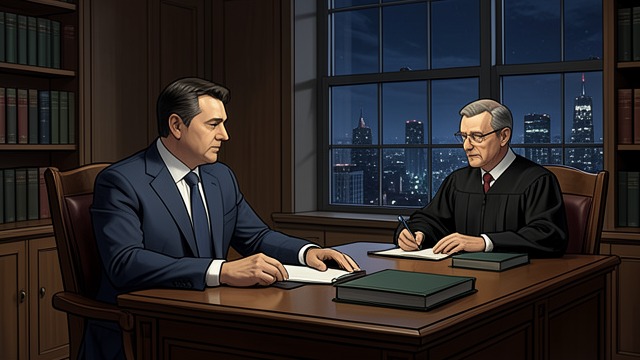
Howard Hunt and the four Miami defendants pleaded guilty. Their courtroom answers about money, instructions, and possible clemency appeared rehearsed and left Judge John Sirica unconvinced.
A Missing Account
The pleas removed potential witnesses from a public trial, while Hunt insisted that no higher-ups were involved to his knowledge. The resulting silence sharpened the question of whether the defendants were being protected or pressured.
Sirica’s Doubts
Sirica’s Doubts
The Judge Intervenes
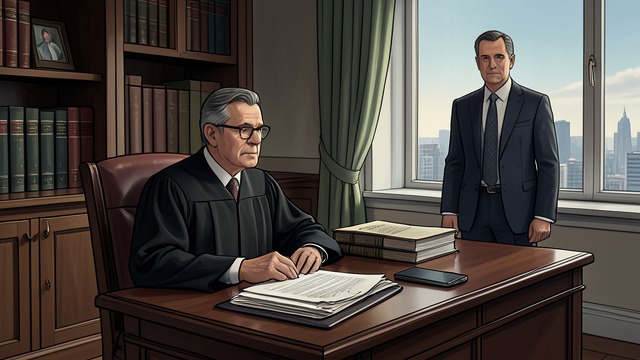
John Sirica questioned Hugh Sloan about the large cash payments to Gordon Liddy and asked why the campaign treasurer had not demanded an explanation. Sloan described a chain of approval reaching Maurice Stans and John Mitchell.
An Unfinished Record
Sirica said the trial had not brought out all pertinent facts and hoped the Senate would investigate broadly. His doubts gave institutional voice to the reporters’ concern that the prosecution had stopped too early.
The Senate Takes Up the Case

The Senate Takes Up the Case
A Broader Mandate
Sam Ervin secured a Senate investigation with wide subpoena authority despite Republican efforts to broaden or weaken its scope. The vote marked a shift from a criminal case toward public examination of the campaign and executive branch.
New Witnesses, New Stakes
The Senate inquiry would hear from James McCord and later Alexander Butterfield. Its public authority offered a counterweight to a federal investigation that reporters believed had confined itself too narrowly to the break-in.
September 1972
January 8, 1973
January 1973
January 1973
February–March 1973
